Your Book Is Yours. Can You Prove It?
Why registering your copyright matters more than ever, and how to do it properly. – The KidLit Creator’s Chronicle – Issue #67
An author I know had her picture book taken down from Amazon.
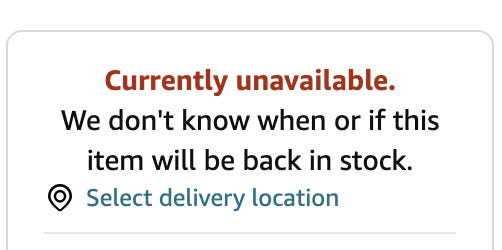
Someone disputed her copyright, and KDP removed the book immediately while they looked into it. It was her book. She wrote it and paid for the illustrations. But she never registered her copyright, so when she had to prove the book was hers, she had nothing official to show. It took her weeks and a lot of effort and stress to get her book back up, and for all that time it wasn’t selling.
Lately, copyright has been in the news. Like the $1.5 billion Anthropic settlement to compensate authors whose books were used to train AI. BUT only authors whose books were copyright registered in time could claim. A lot of authors found out the hard way that their books didn’t qualify, and they got nothing.
So in this edition, let’s talk about copyright. It comes straight out of my new course, Self-Publish Like a Pro 2.0, which is launching very soon (more on that below).
Owning vs. Being Able to Protect Copyright
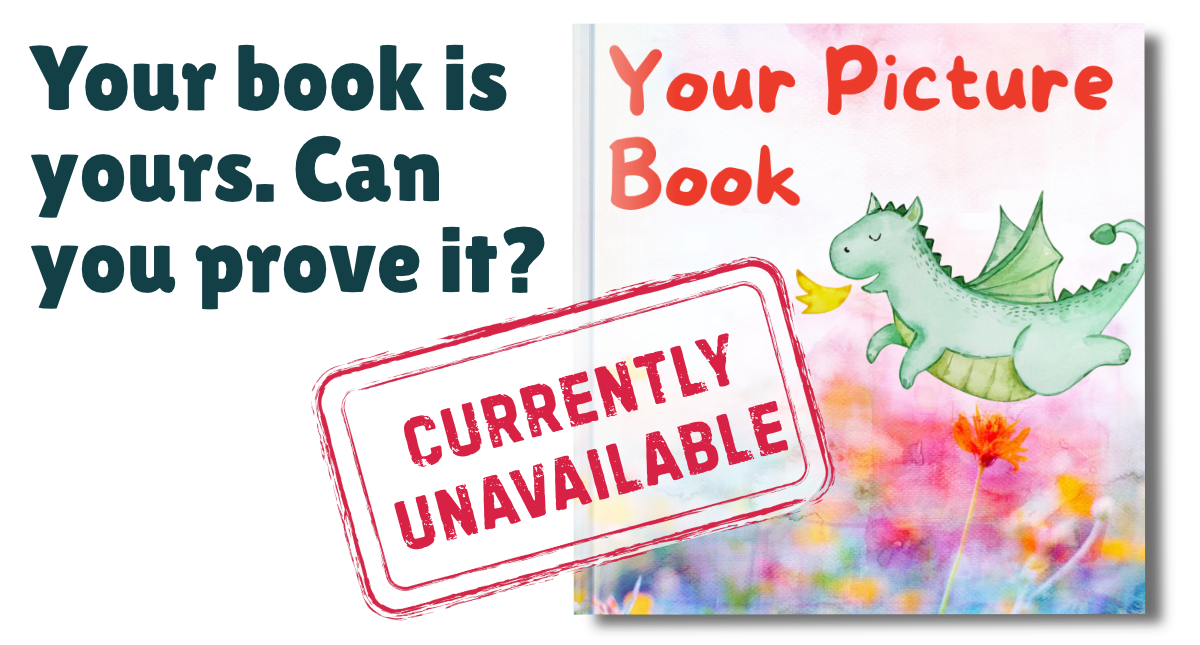
The moment you create your book, you own the copyright to it, and you don’t have to fill in a form or pay anything for that. Most authors know this, and it’s true.
But owning your copyright and being able to protect it are two different things.
While automatic copyright protects your book on paper, that protection can’t always be put into practice. Registration means that when someone copies your book, disputes it, or uses it without your permission, you can fight back. Without it, you’re in a much weaker position to do anything about it.
And nowadays, it’s more important than ever to be able to protect your book. AI tools have made it quick and easy to copy a book, change it a little and upload it. And I’ve seen several cases of authors being copied, pirated, or having their books taken down.
So, if you’ve ever had an uneasy feeling that your book isn’t fully protected without registering copyright, you’re right.
How to Register Your Copyright
Register in the US, wherever you live. KDP and IngramSpark are both based in the US, so I recommend registering with the United States Copyright Office at copyright.gov, no matter where you live. You can also register in your own country if it has a registration system, but many countries, like the UK, don’t have one.
Choose the right application. There are two types of application, and you need to choose the right one.
The Single Application is the cheaper option, but it’s only for a book created entirely by one person. So if you wrote and illustrated your book yourself, you should choose this one.
If someone else illustrated your book, you need the Standard Application, even if your contract gives you all the rights to the illustrations, because the book was still created by two people. When the form asks how you came to own the illustrations, say “by written agreement.” If your contract says the illustrations are a “work made for hire,” don’t use the transfer statement. Instead, list yourself as the author of the illustrations and tick the “work made for hire” box, because the law treats you as their author.
This is all based on your contract with your illustrator, so make sure you have a contract that transfers the rights to you, so you can register copyright for the illustrations and text. If your illustrator kept the rights to the illustrations, you can register your text, and they can register the illustrations.
Register within three months of publishing. In the US, if you register within three months of publication, or before anyone infringes on your copyright, you can claim what’s called statutory damages and legal fees if you ever need to go to court. In plain terms, it makes it financially realistic to defend your book, because otherwise the legal costs could easily be more than you’d get back.
For a printed book, you’ll usually need to post physical copies to the Copyright Office, and your registration date is the day they receive everything, including your copies. So post them promptly.
If you’ve been putting it off, do it now. The Copyright Office is raising its fees, expected from mid-November 2026. The Single Application goes from $45 to $55, and the Standard Application from $65 to $85. The fee is definitely worth it for the protection you get.
ISBNs and Copyright
Registering copyright puts you on record as the owner of your book. Your ISBN puts someone on record as its publisher, so make sure that someone is also you.
If you use the free ISBN from KDP, it’s registered to KDP, your publisher is listed as “Independently published,” and you can’t use that ISBN anywhere else, including IngramSpark. When you buy or get your own ISBN, you or your imprint are listed as the publisher, and you can use the same ISBN across every platform. An imprint is simply the publishing name you release your book under, like “Sunshine Studio Books,” and you don’t need to register it to use it on your ISBN.
I covered ISBNs in more detail in Issue #52, but the principle is the same as with copyright. It’s your book, so make sure the official record says so.
“But Copyright Is Automatic”
It’s fairly common advice that you don’t need to register, because copyright is automatic.
It’s true, but it leaves out everything automatic copyright doesn’t give you. In the US, you generally can’t take someone to court for copying your book unless your copyright is registered, and you can’t claim statutory damages unless you registered in time. The Anthropic settlement is the perfect example where those without registered copyright couldn’t claim.
And if you publish with a publisher, make sure that they’ve taken care of the copyright and have them confirm it with evidence. You’ll see why next.
What Happened to the Authors Who Didn’t Register
In the Anthropic settlement, each eligible book will get roughly $3,000 before legal fees, shared between the author and the publisher if there is one. To qualify, a book had to be registered within three months of publication, or within five years of publication and before the AI company downloaded it.
When the Authors Guild surveyed authors after the settlement, over 800 said their publisher had never registered their book, even though their contract required it. These authors couldn’t claim.
And it wasn’t only traditionally published authors who suffered this loss. Authors outside the US who had never registered their books with the US Copyright Office didn’t qualify either, even though their books had been pirated and used. That’s exactly why I recommend registering in the US, wherever you live.
Then there’s the author I know whose book was taken down. She just needed to show that her own book was hers, and without a registration, it took weeks. A registration certificate is official proof that the work is yours, and gives you strong, official evidence to show KDP straight away.
Self-Publish Like a Pro 2.0
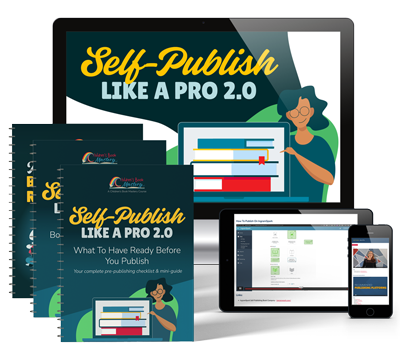
My new course, Self-Publish Like a Pro 2.0, is launching very soon, and there will be an early-bird discount!
Copyright is one module, and the course takes you through every step of publishing your picture book properly: your bio and description, categories and keywords, pricing, ISBNs and imprints, publishing on KDP and IngramSpark, your Amazon book page, and your launch.
If you’re not on my email list, sign up at childrensbookmastery.com to be notified when it gets released!
Over to You
If your book is published and you haven’t registered it, register it, ideally before the fees go up.
If you’re about to publish, add it to your publishing checklist and register within the first three months.
And if you’re traditionally published, check with your publisher that your book has been registered. It’s usually in your contract, but it’s worth confirming it was done.
You put a lot into your book: the writing, the illustrations, the revisions, and a big piece of your heart. It deserves to be protected properly, and registering it is a small step that makes a big difference.
I’d love to hear from you: have you registered your copyright? And has anyone ever copied or taken your work? Let me know in the comments!